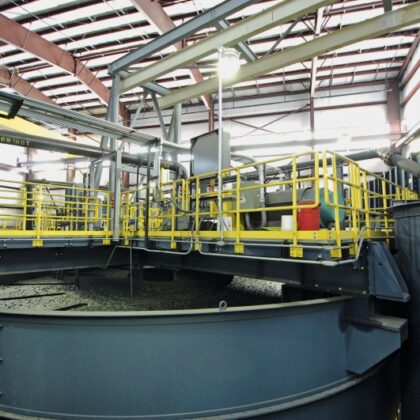
A copper concentrator issued its enquiry the way most plants do: by naming the frother brand currently in use. That brand was available, but on a lead time and at a price that reflected a market with one seller in it.
The problem with a brand name
A brand is a convenient shorthand for a product that works. It is a poor purchasing instrument, because it hides which properties the plant actually depends on. A frother is selected for its chemistry and its behaviour in the cell — molecular weight distribution, active matter content, water solubility, froth persistence. None of that is proprietary to one supplier.
What we did
We converted the enquiry into a written minimum specification, built around the chemistry rather than the label. The specification separated two categories explicitly:
- Binding parameters — the values a supplier must meet, each with a test method
- Typical values — informative figures quoted for guidance only, not grounds for rejection
That distinction matters more than it sounds. Without it, an offer is rejected for missing a number that was never critical, or accepted despite missing one that was.
Scope of supply
- Polyglycol ether based frother to an agreed minimum specification
- Certificate of analysis per batch, against the binding parameters
- Supply in ISO tanks and drums depending on consumption rate
- Retained samples held for the duration of the supply period
Outcome
Alternative European manufacturers could be evaluated on the same basis as the incumbent. The plant received a product that met every binding parameter, with a documented acceptance criterion both sides had agreed on before the order was placed rather than argued about after delivery.